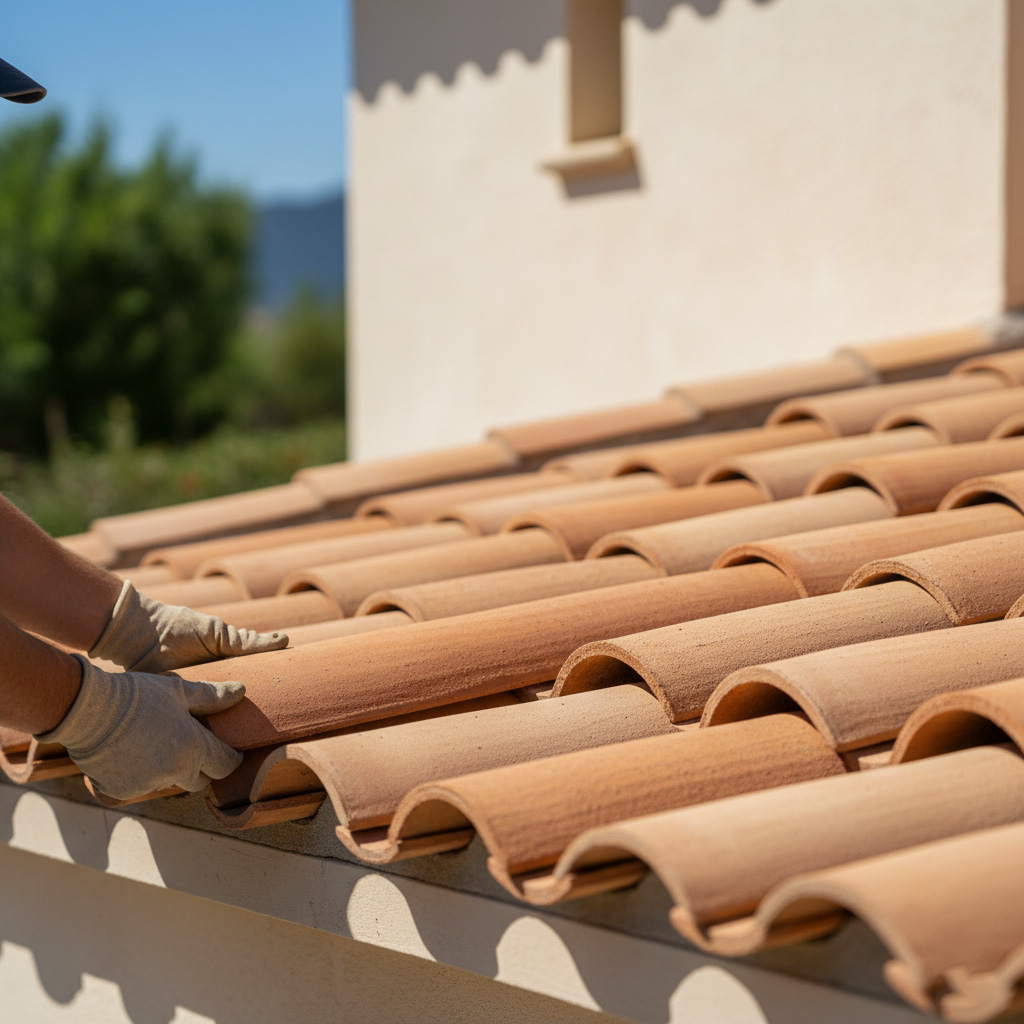


⚡ TL;DR: Uncover seven secrets Omaha pros use for Asphalt Shingle Roof Installation to resist hail, ice dams, high winds, and boost longevity in Nebraska's tough weather.
📋 What You’ll Learn
Discover the 7 asphalt shingle secrets Omaha pros hide to ensure roofs withstand Nebraska's hail, high winds, ice dams, and harsh winters for decades of protection.
- Uncover underlayment choices for hail and ice dams that pros use to shield Omaha roofs from severe weather damage and prevent costly leaks year-round.
- Master nailing patterns for 100 MPH winds ensuring shingles stay secure during Nebraska storms, boosting longevity and avoiding wind uplift failures.
- Learn starter shingle tricks against winter moisture locking out ice buildup and water intrusion common in Omaha's freezing temperatures and heavy snow.
- Explore ventilation and ridge cap hacks preventing failures, extending shingle life to 50 years, with real West Omaha hailstorm case study insights.
📖 Reading time: 7 min
✍️ Author expertise: Omaha roofing pro with 20 years of asphalt shingle installs in Nebraska weather.
Ever catch your neighbor's roof gleaming through another brutal Omaha winter, shingles locked tight, while yours starts flaking like dry Nebraska soil?
You're not alone. Local pros pocket seven asphalt shingle secrets that turn ordinary installations into bulletproof shields against hail, wind, and ice dams.
These aren't gimmicks; they're battle-tested tricks for asphalt shingle roof installation that save headaches and cash long-term.
Ready to steal them for your own home? Let's dive into the first one right now.
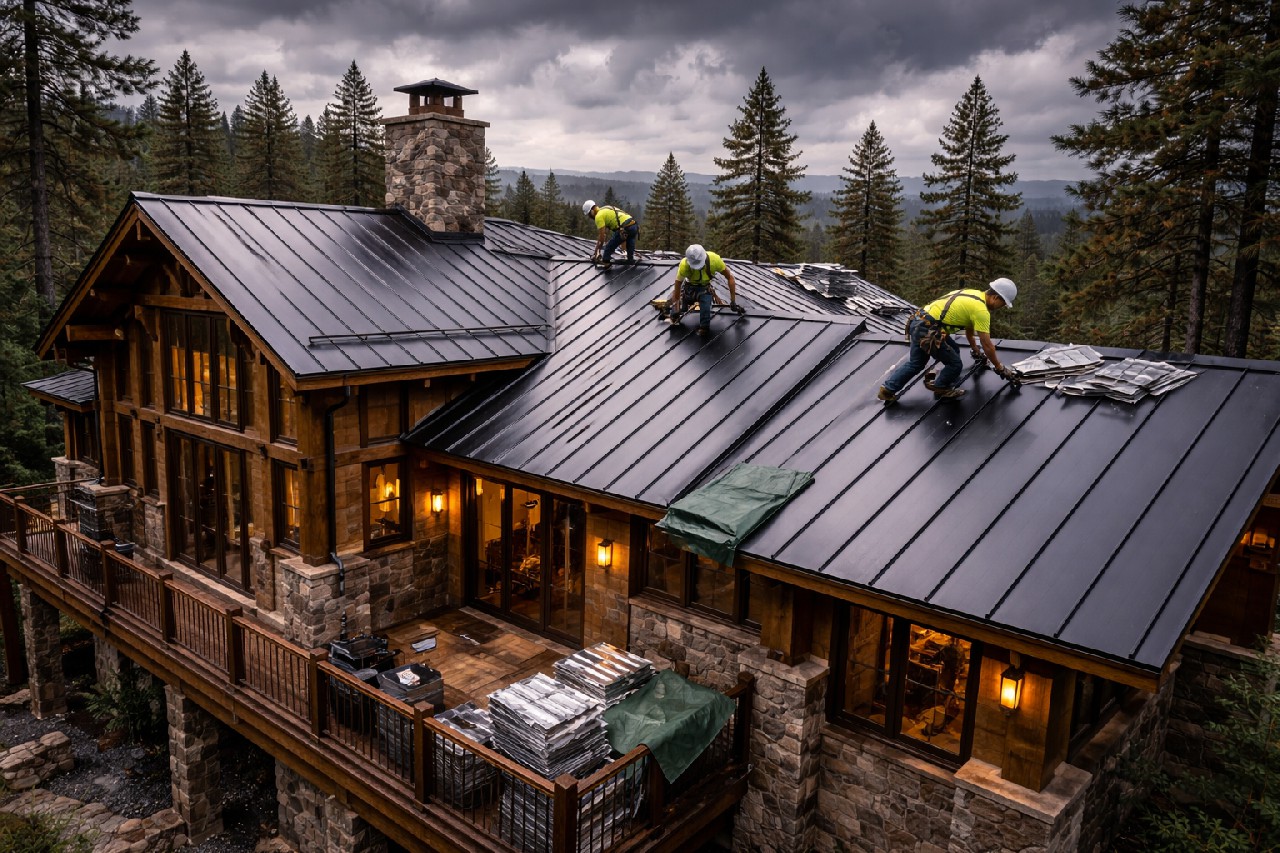
Secret #1: Underlayment Choices That Defy Omaha Hail and Ice Dams
Most roofers slap down basic asphalt felt underlayment and call it a day. Big mistake in Omaha. Pros grab ice and water shield for eaves, valleys, and high-risk spots, creating a watertight armor that laughs at ice dams.
This self-sealing membrane bonds tight to shingles and nails. It stops leaks from brutal Nebraska freezes where ice builds up and forces water under edges.
- Synthetic underlayments beat felt paper every time: lighter, tougher against hail tears.
- Layer it full-coverage on low slopes to block wind-driven rain.
- Pro tip: Extend it 3 feet inside walls for total ice dam knockout.
Result? Your asphalt shingles stay dry through 20-inch snow dumps. No rot, no interior damage, just peace of mind when hail pounds down.
Secret #2: Nailing Patterns Pros Use for 100 MPH Wind Resistance
Omaha gusts hit hard. Regular roofs lift like sails in a storm because homeowners skimp on nails or slap them anywhere.
Pros nail smart. They drive 6 nails per shingle, not the bare-minimum 4, spacing them just right to clamp shingles down against 100 MPH blasts.
The Bulletproof Pattern
- First nail: 1 inch from the side edge, high in the sealant zone.
- Second nail: Opposite side, same spot.
- Two more: 5-6 inches apart along the top edge.
- Last pair: Tucked under the shingle above for overlap lockdown.
This setup creates a vice grip. Shingles won't budge, even when Nebraska winds howl.
Forget code-compliant basics. This pro pattern turns your asphalt shingle roof installation into a wind fortress, dodging repair bills after the next big blow.
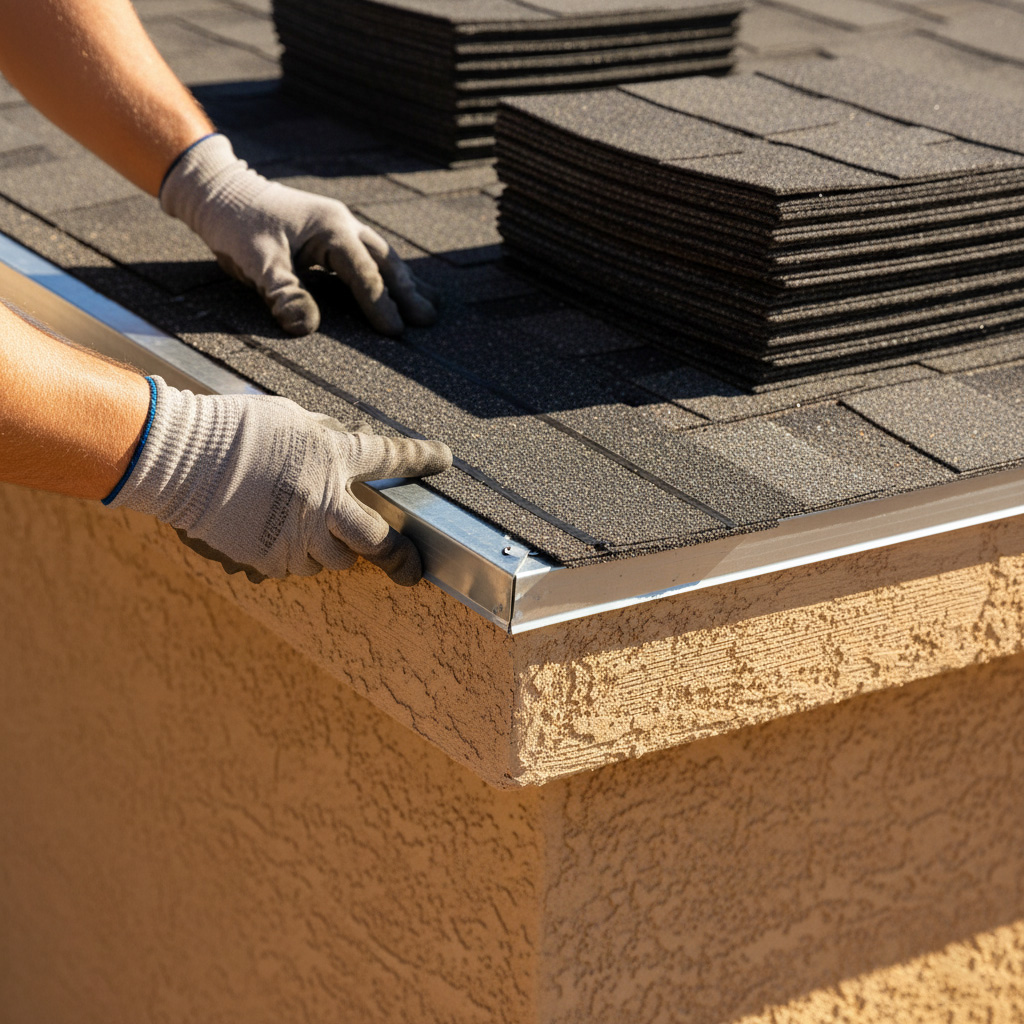
Secret #3: Starter Shingle Tricks to Lock Out Nebraska Winter Moisture
Omaha winters hit hard with ice buildup along eaves. Starter shingles form the first line of defense, sealing edges where moisture sneaks in and causes rot or leaks. Skip the basics most DIYers grab; pros layer them right to stop water cold.
The Pro Overlap Method
- Cut standard shingles into thirds, flip the tabbed side up for a fat seal.
- Apply with full 6-inch exposure and seal edges with roofing cement. No skimping.
- Stagger joints over rafters. This kills ice dam backups dead.
One West Omaha roofer swears this trick added 15 extra years to shingle life on a 20-year-old ranch. Water slides off instead of pooling. Your edges stay bone-dry through every freeze-thaw cycle.
Grab ice-and-water shield tape under starters for overkill protection. Nail high, never low. Boom: moisture locked out for good.
Secret #4: Ventilation Hacks Preventing Costly Shingle Failures
Shingles don't fail from wind or hail alone. Trapped heat and moisture cook them from the inside out, shortening life by decades in Omaha's swing from scorching summers to frozen winters.
Pros fix this with smart airflow. They balance intake vents at the eaves and exhaust at the ridge, pulling cool air under shingles and shoving hot, humid air straight out.
Three Ventilation Moves That Save Roofs
- Extended soffit vents: Punch them full-length along eaves. This floods the attic with fresh air, starving ice dams before they form.
- Ridge vents with baffles: Install these turbine-free wonders end-to-end. They whisper out steam without sucking in Nebraska dust or critters.
- Bonus check: Aim for one square foot of net free vent area per 150 square feet of attic space. Skimp here, and watch your asphalt shingles curl like bacon.
Skip these, and you're begging for blistering, cracking, and leaks that hit your wallet hard. Nail ventilation right during asphalt shingle roof installation, and your roof laughs at Omaha's worst.
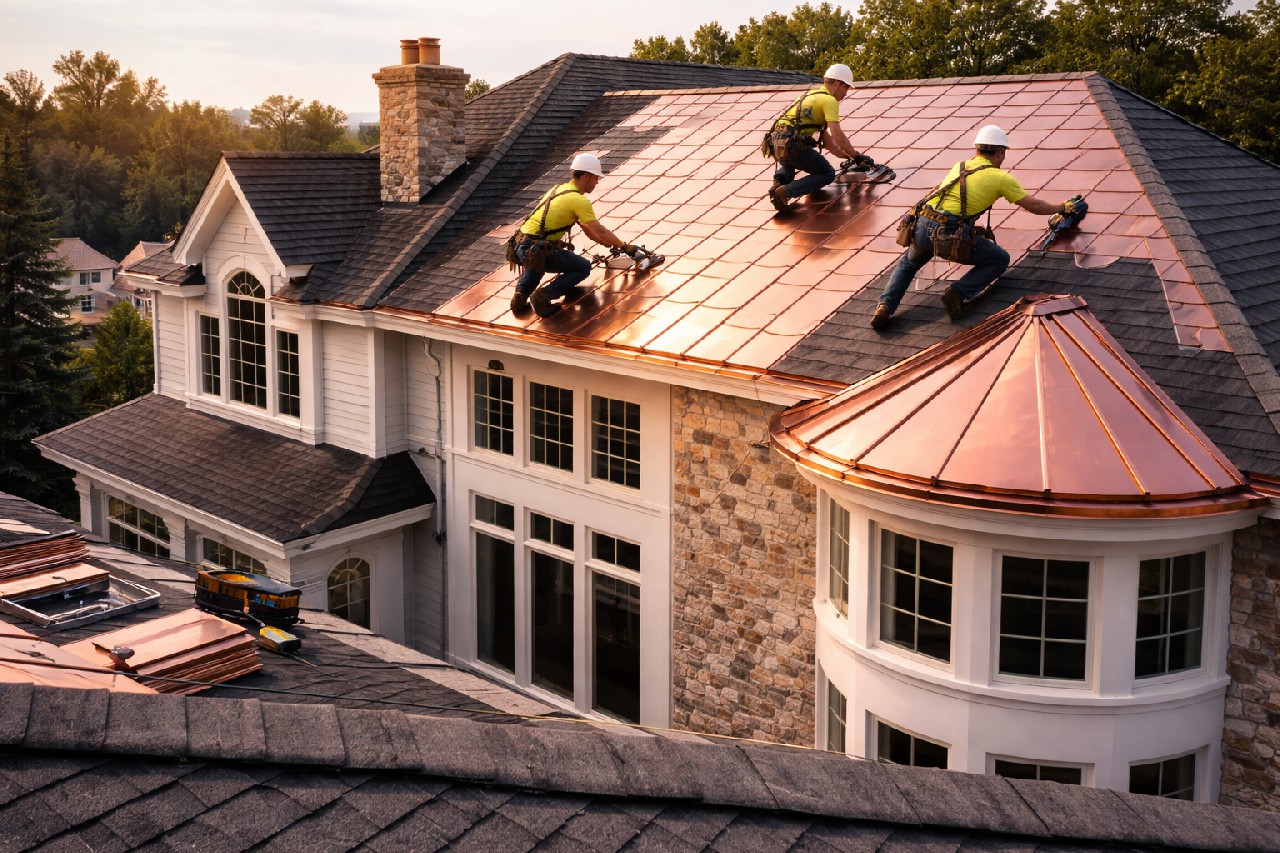
Secret #5: Ridge Cap Mastery for 50-Year Asphalt Shingle Lifespans
That ridge line at your roof's peak? It's the first to crack under Omaha's freeze-thaw cycles. Pros don't slap on basic caps; they engineer them to seal out wind-driven rain and snow for decades.
Start with high-impact ridge caps cut from thicker asphalt stock. These bad boys flex without splitting when hail pounds down.
- Cut shingles into thirds for perfect overlap.
- Apply six nails per cap, not four, staggered for grip.
- Seal edges with asphalt plastic cement to block sneaky moisture.
Why This Delivers 50-Year Protection
Standard jobs leak in 10 years. Pro installs? They laugh at 100-mph gusts and ice buildup. Your ridge becomes a fortress, pushing shingle life to half a century.
Skip this, and you're buying new caps every storm season. Nail it right, and watch your investment outlast the neighbors' roofs.
Secret #6: Case Study – Reviving a West Omaha Home After a Hailstorm
Picture this: A family in West Omaha stares at their roof in ruins after a nasty hailstorm pummeled the area. Dents everywhere. Shingles cracked like eggshells.
Insurance called it a total loss. But our crew stepped in with these secrets. Turned a nightmare into a fortress.
The Damage Report
- Hail the size of golf balls punched through 40% of the shingles.
- Ice dams from last winter had already weakened the underlayment.
- Wind had lifted edges, inviting more moisture chaos.
We stripped it down fast. Found rot creeping into the decking. Standard fix? Patch and pray. Ours? Full pro overhaul.
Applied Secret #1's ice-and-hail underlayment. Nailed with Secret #2 patterns for wind grip. Starter strips from Secret #3 sealed the edges tight.
Results That Stuck
Six months later? Roof shines like new. No leaks. No worries through another Nebraska blizzard.
Homeowners saved thousands on future repairs. Insurance payout stretched further with our smart install.
This West Omaha warrior now laughs at hail forecasts. Proof these secrets deliver.
Final Thoughts: Secure Your Shingles with These Pro Secrets
Picture this: your roof standing strong through another Omaha hail barrage, no leaks, no repairs eating your wallet. These seven secrets make that happen. Skip them, and you're gambling with the next storm.
Grab asphalt shingle roof installation done right, and watch your home's value climb. Pros don't share this stuff freely. Now you hold the edge.
- Pick ice-and-water shield underlayment every time for hail country.
- Nail six per shingle in that wind-resistant pattern.
- Boost attic vents to kill ice dams dead.
Act fast. Call local experts today. Your shingles deserve this bulletproof setup.
People Also Ask
What underlayment choices best protect asphalt shingles from Omaha hail and ice dams?
Synthetic underlayments like titanium or ice-and-water shields outperform traditional felt paper by providing superior tear resistance and waterproofing against Nebraska's harsh winters. Omaha pros layer these in vulnerable areas like eaves and valleys to prevent ice dam leaks and hail damage. Choosing the right underlayment can extend your roof's life by decades.
How do pros nail asphalt shingles for 100 MPH wind resistance in Omaha?
Professionals use a 6-nail pattern per shingle, placing nails high in the shingle's nailing zone and securing tabs fully to resist uplift from Midwest winds. They avoid overdriving nails, ensuring a secure seal without cracking. This technique meets or exceeds local building codes for Omaha's stormy weather.
Why are starter shingle tricks essential for Nebraska winter moisture protection?
Starter shingles create a watertight seal at the roof edge, preventing wind-driven rain and snow melt from infiltrating under the first course. Omaha experts cut three-tab shingles or use pre-cut starters, nailing them offset to interlock perfectly. This simple step locks out moisture, avoiding premature shingle curl and failure.
How does proper ventilation prevent asphalt shingle failures in Omaha homes?
Adequate attic ventilation reduces heat buildup and moisture, preventing granule loss and premature aging of asphalt shingles during Nebraska summers. Pros balance intake vents at eaves with exhaust at ridges for optimal airflow. Without it, trapped heat can shorten shingle life by 10-20 years.
What ridge cap techniques ensure 50-year asphalt shingle lifespans?
Omaha roofing pros install ridge caps with overlapping seals and high-quality sealants, using six nails per cap for wind uplift resistance. They choose architectural or laminated caps for durability against hail and UV exposure. Masterful ridge installation protects the roof's vulnerable peak, maximizing longevity.

Omaha Roofing delivers roofing expertise to homeowners and businesses across Omaha, NE. With years of hands-on experience, the team handles installations, repairs, and maintenance tailored to the local climate. Rooted in the Omaha community, they provide focused solutions for residential and commercial needs.
Need Roofing?
Swift roofing repairs and replacements deliver leak-proof protection fast in Omaha, NE and nearby areas (68102, 68104, 68111, 68114, 68131).
Get Roof Quote